Pillar 1 — Non-hazardous waste

Non-hazardous waste management for municipalities, developers and industry

Collection, authorised transport and recovery of non-hazardous waste nationwide, with full traceability and compliant documentation. Evi Eco Rom Sud takes over your waste stream and hands back the peace of mind of demonstrable compliance.

Every waste generator — from a municipality or a construction site to a manufacturing plant — has a legal obligation to manage non-hazardous waste under the regime set by GEO 92/2021, respecting the waste hierarchy and ensuring traceability from source to the final operator. Evi Eco Rom Sud SRL takes on this stream end to end: we classify waste codes correctly, organise selective collection at source, transport with compliant documentation and direct materials toward recovery, prioritising recycling over disposal. We are a young company, but one built from the ground up on the principle of demonstrable compliance: every transport has its documents, every waste code has its route, and every client receives proof that the law was respected.

From our operations

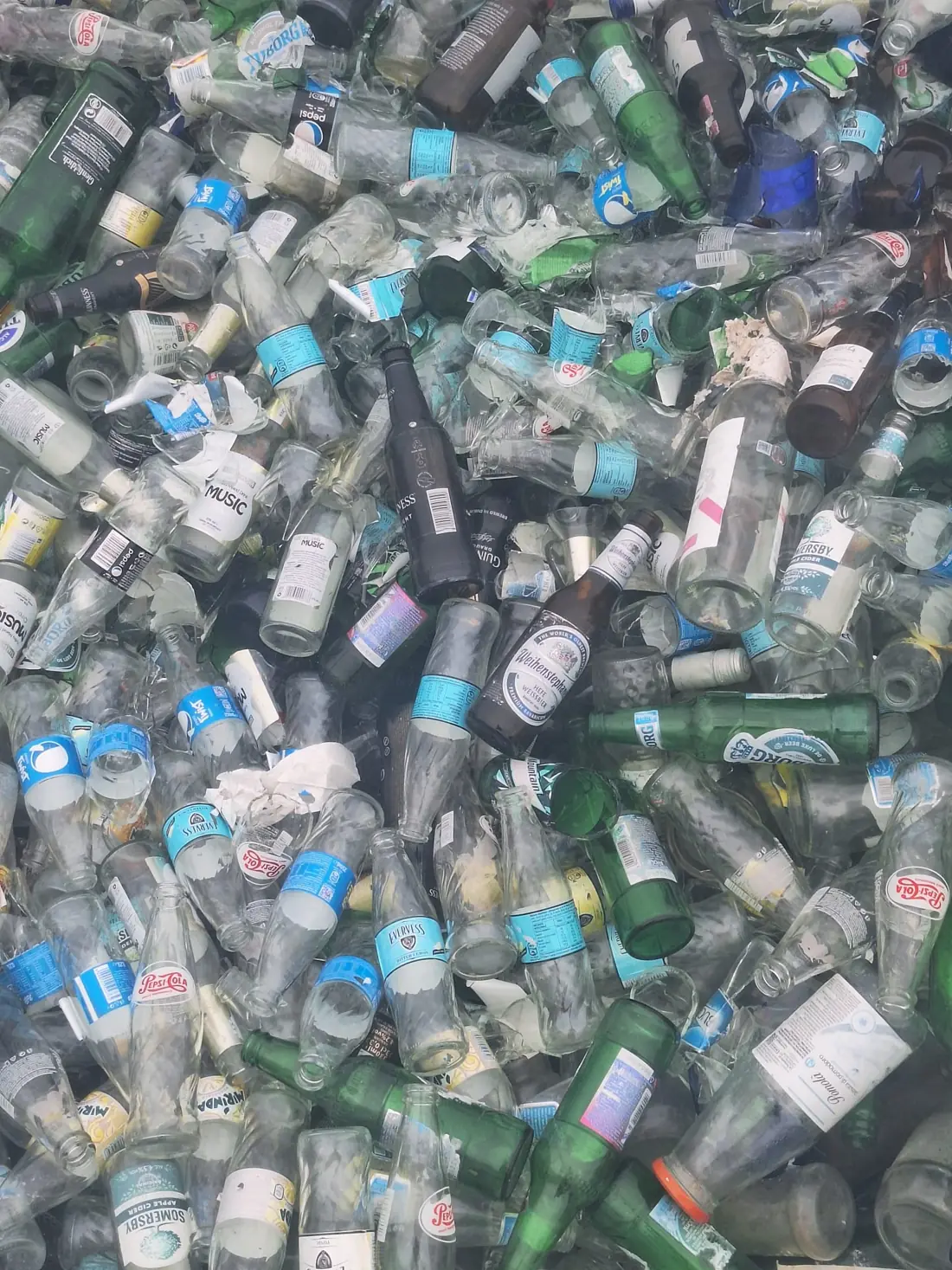
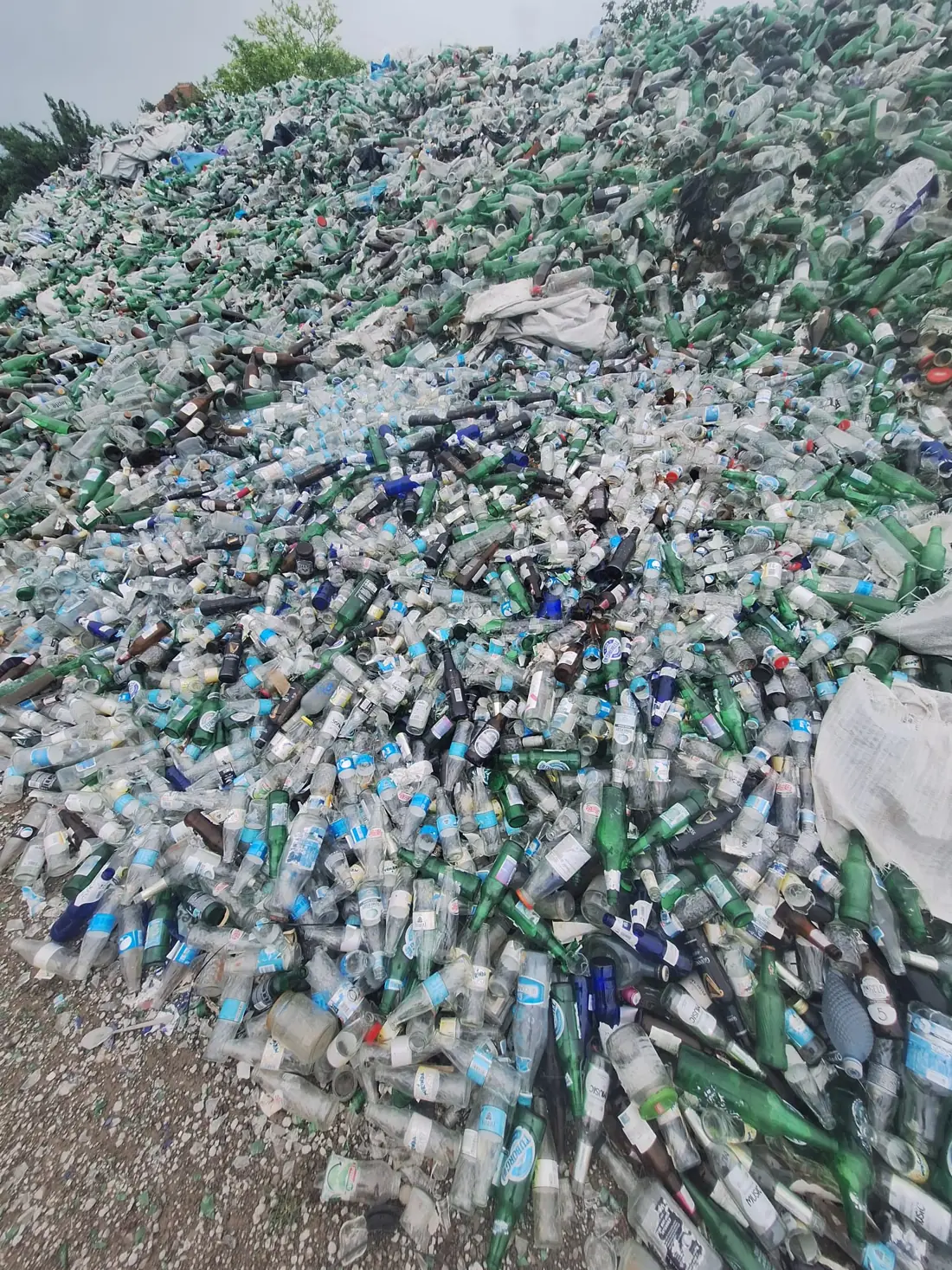
Glass and plastic waste, collected separately
Recyclable materials prepared for recovery
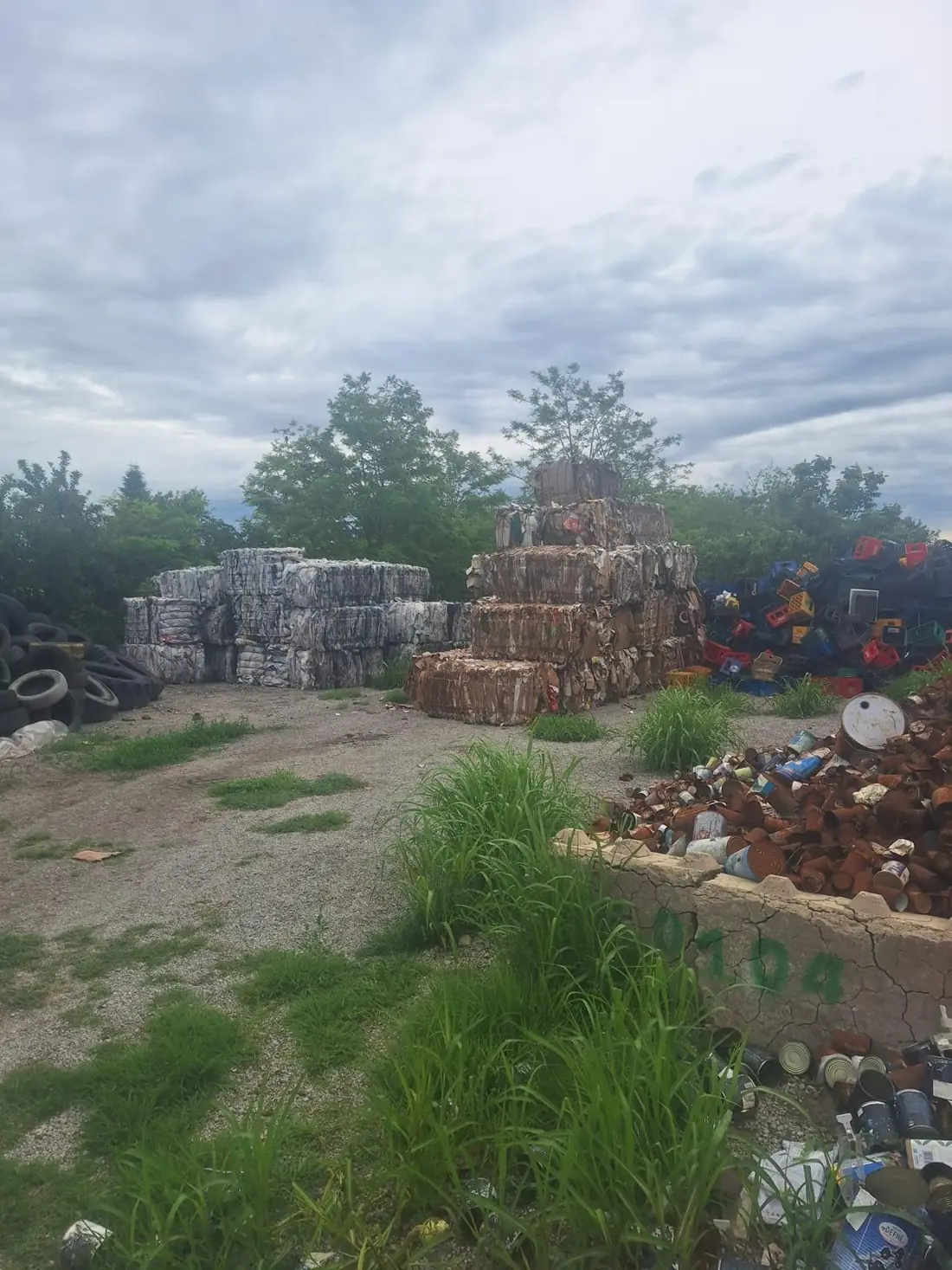
Baled non-hazardous waste at the transfer station

Our non-hazardous waste services

01

Non-hazardous waste collection

We organise selective collection at source of non-hazardous waste, with containers suited to each fraction and a schedule adapted to the pace at which your activity generates waste.

  • Selective collection at source, by fraction, in line with the European List of Waste (GD 856/2002)
  • Correctly marked bins and containers, including RAL colour coding where applicable
  • Pick-up schedule agreed with the client and matched to actual volumes
  • Support for setting up collection points (bollards, delimitation, signage)
02

Authorised transport

We move non-hazardous waste safely and compliantly, respecting transport regulations and ensuring full traceability of every load.

  • Transport in accordance with GD 1061/2008 on the transport of non-hazardous waste within Romania
  • Loading-unloading form (Annex 3 to GD 1061/2008) for every transport
  • Traceability from generator to the recovery or disposal operator
  • Route and schedule coordination to reduce waiting times at source
03

Management and recovery

We channel non-hazardous waste toward recovery solutions, respecting the waste hierarchy set out in GEO 92/2021 — we prioritise recovering materials and energy over disposal, including through advanced recovery by pyrolysis.

  • Applying the waste hierarchy: prevention, preparing for re-use, recycling, recovery, disposal (GEO 92/2021)
  • Directing recyclable fractions (paper, plastic, wood, metal) toward material recovery
  • Advanced recovery by pyrolysis for the fractions suited to this technology
  • Preference for recovery over landfilling, documented in the waste records
04

Environmental consultancy

We help you put your environmental obligations in order: correct classification of waste codes, reporting into SIM/ANPM, and EPR-type responsibilities for packaging.

  • Correct classification and assignment of waste codes under GD 856/2002
  • Support for reporting into the Integrated Environmental System (SIM/ANPM)
  • Guidance on EPR obligations for packaging (Law 249/2015)
  • Organising waste records and traceability documents

Advanced recovery through pyrolysis

Our own pyrolysis plant — from waste to oil and wax

We operate a pyrolysis plant that turns plastic and rubber waste into reusable industrial products — pyrolytic oil, industrial wax and syngas. The thermal process runs in the absence of oxygen, fully automated, contributing directly to the circular economy.

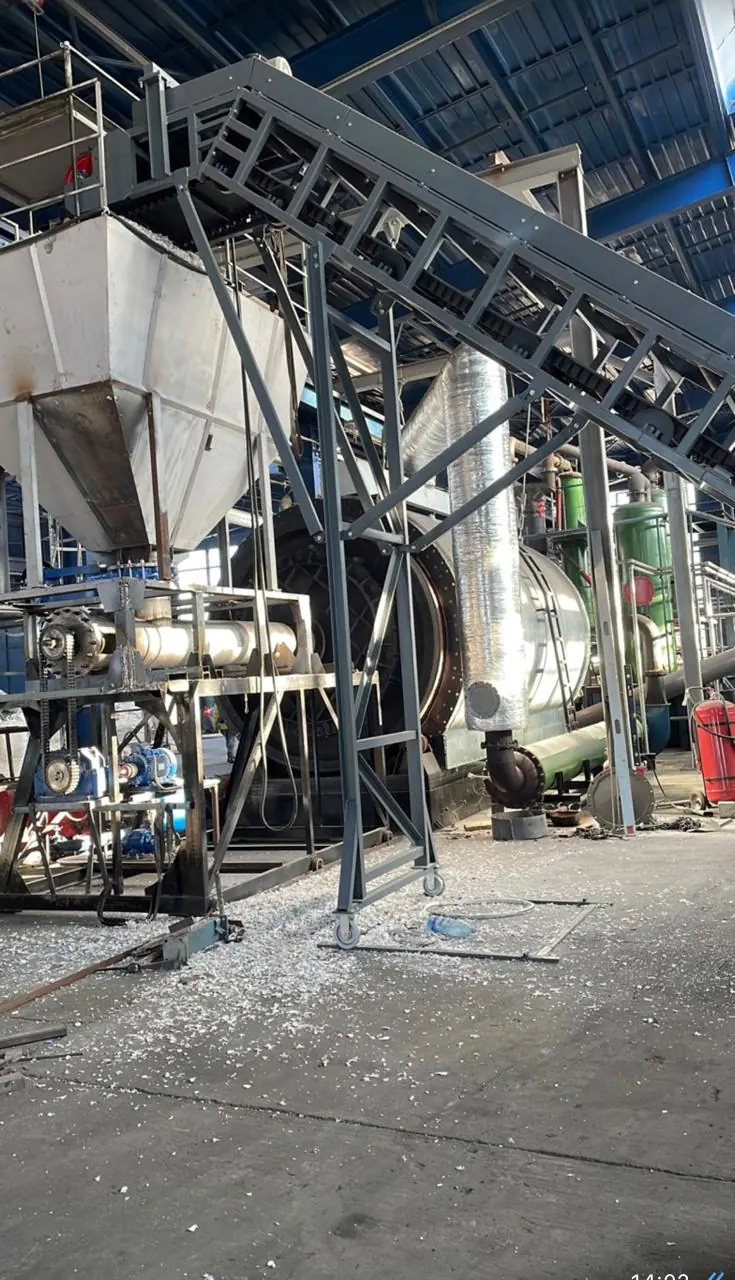
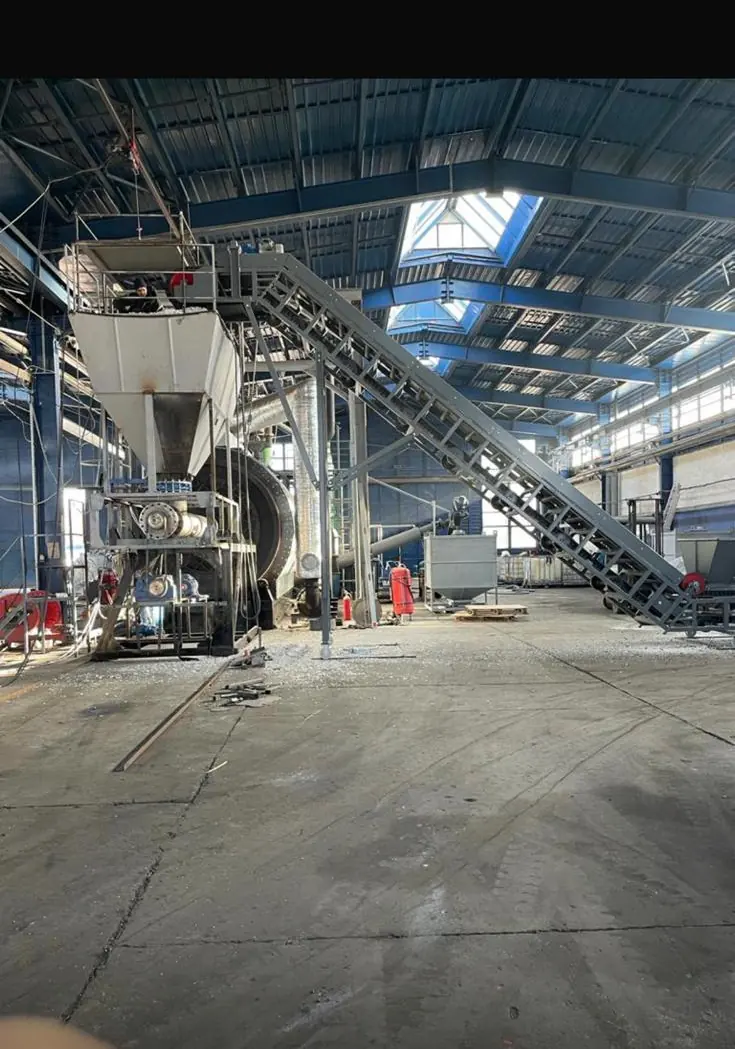
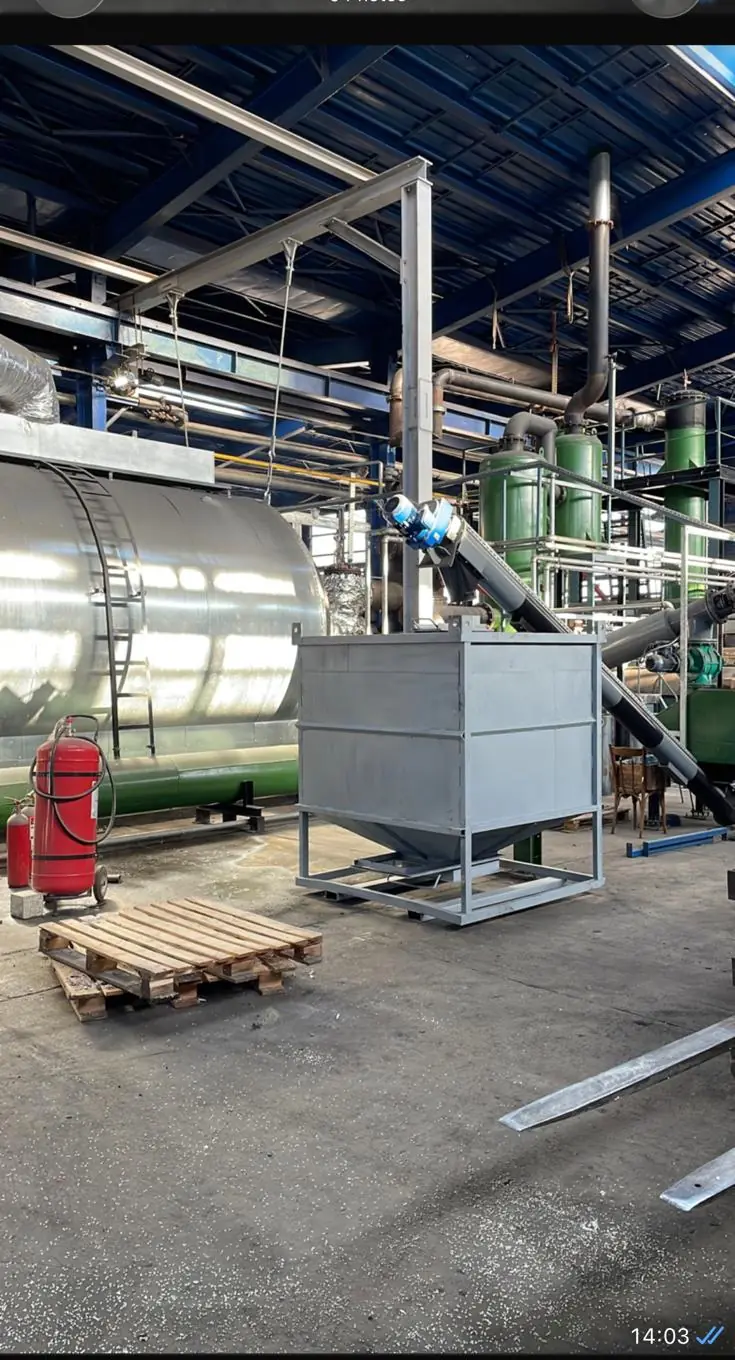
EVI pyrolysis plant — reactor, storage tanks and condensation system
2.5 t/hprocessing capacity
~60 tprocessed in 24 hours
317 days/yrcontinuous operation
280–500°Coxygen-free pyrolysis

Resulting products

Pyrolytic oil

≈45 t/day · calorific value ~8,500 kcal/kg · industrial fuel

Industrial wax

≈9 t/day · a paraffin alternative for industrial uses

Residual carbon

≈3 t/day · usable in coke-type applications

Syngas

reused as energy to sustain the process

How the process works

  1. 01
    Reception and weighing

    Feedstock is received and weighed on intake.

  2. 02
    Dedicated storage

    Stored in a hall of about 1,000 sqm.

  3. 03
    Automatic feeding

    Material is fed automatically into the reactor.

  4. 04
    Pyrolysis 280–500°C

    Thermal decomposition in the absence of oxygen.

  5. 05
    Condensation and separation

    Gases are condensed and products separated.

  6. 06
    Gas treatment and recirculation

    Cooling, scrubbing and filtering; combustible gases return to the process.

What we process

  • Plastic waste (packaging, various plastics)
  • Used rubber, including automotive
  • Non-recyclable technological waste
  • Composite materials (plastic with metal inserts)
  • Dried, shredded municipal waste fractions

Environmentally responsible

  • Closed-loop system — no industrial wastewater
  • Advanced gas treatment: cooling, wet scrubbing, filtering
  • Controlled emissions via a 14 m dispersion stack
  • Solid residues handed to authorised operators

PET recycling · our own line

Our own PET recycling line — from bales to recycled flakes

We operate our own PET bottle recycling line that turns PET bales into 12 mm recycled flakes, ready to re-enter the production chain. The process is complete — from bale opening and sorting through washing and crushing — and can be fitted with automatic optical sorting for maximum capacity and efficiency.

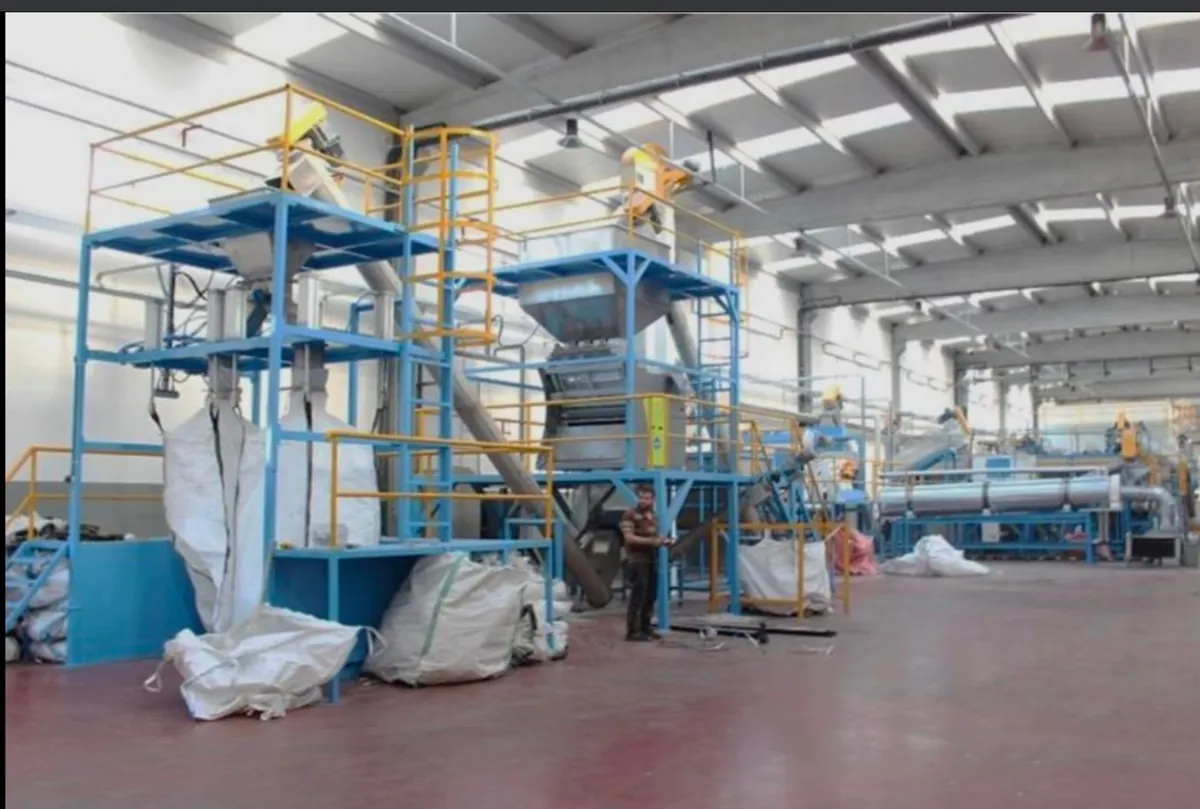
EVI's own PET recycling line — bale opening, sorting and crushing
2000 kg/hprocessing capacity
3000–3500 kginput capacity
2000–3000 kgoutput capacity
12 mmflake size

How the process works

  1. 01
    Bale opening

    PET bottle bales are opened automatically at the line intake.

  2. 02
    Rotary sieve

    Removes heavy particles — stones, sand — for optimal initial preparation.

  3. 03
    Sorting

    A sorting belt (manual or automatic optical system) separates PET from PVC and foreign matter, including by colour.

  4. 04
    Washing

    Pre-washing, sink-float washing and centrifuging for a thorough clean.

  5. 05
    Crushing

    PET bottles are crushed and turned into recycled flakes.

  6. 06
    Drying & loading

    Centrifuge drying and big-bag loading, ready for delivery.

The line includes

  • Conveyor belts
  • Bale opening system
  • Feeding auger
  • Circular sieves + pre-wash sieve
  • Centrifuge dryer
  • Mobile cleaning bridge
  • Optical sorting system
  • Crushers
  • Washing centrifuge
  • Silo
  • Sink-float sorting tank
  • Big-bag loading station

Non-hazardous waste fractions we handle

We take on the main non-hazardous waste fractions generated by public administrations, real-estate developers and industrial facilities. Each fraction is collected selectively, assigned to its code and directed toward the appropriate recovery solution.

FractionExamples
Paper and cardboardCardboard packaging, office paper, printed matter, boxes and cartons from administrative and commercial activity
Film and plastic packagingStretch film, shrink film, PET, plastic packaging and containers from retail and production
WoodPallets, wooden crates and boxes, packaging and non-hazardous wood residue from logistics and construction
Ferrous and non-ferrous metalIron, steel, aluminium, copper, metal waste from construction, demolition and industrial processes
Municipal-type (assimilable) wasteWaste similar to household waste arising from offices, commercial spaces and public institutions
Non-hazardous construction wasteClean rubble, concrete, brick, ceramics and other inert non-hazardous materials from construction and fit-outs

How it works

  1. 01

    1. Request a quote

    You tell us what kind of waste you generate, in roughly what quantities and at which address. We reply promptly, from a single point of contact.

  2. 02

    2. Waste stream audit

    Together we review your stream: the fractions generated, the applicable waste codes, the pick-up frequency and the compliance requirements specific to your activity.

  3. 03

    3. Contract and set-up

    We define the service in a clear contract, place the necessary containers at source and agree the collection schedule with you.

  4. 04

    4. Scheduled collection

    We pick up the waste on the agreed dates, with transport in line with GD 1061/2008 and a loading-unloading form for every collection.

  5. 05

    5. Recovery and documents

    We direct the waste toward recovery in line with the waste hierarchy and hand you the documents that certify the full route, ready to use in your SIM/ANPM reporting.

Why Evi Eco Rom Sud

We are a new company, established in 2025 — and precisely for that reason built from the ground up around demonstrable compliance and a direct relationship with the client. We do not leave you to navigate the environmental requirements alone: we operate in accordance with the applicable waste-regime legislation and, at every step, give you the documentary proof you need. We cover the whole country for waste services and give you a single point of contact — the same team handles your quote, coordinates collection and hands over the documents.

  • We operate in accordance with the waste-regime regulations (GEO 92/2021)
  • We align with the relevant CAEN codes for collection (3811) and material recovery (3832)
  • We take on registration and reporting in the Integrated Environmental System (SIM/ANPM)
  • Transport organised in line with GD 1061/2008, with a loading-unloading form
  • Nationwide coverage — waste and urban furniture across Romania
  • A single point of contact, from quote to handover of documents

Frequently asked questions

We take the main non-hazardous fractions: paper and cardboard, film and plastic packaging, wood, ferrous and non-ferrous metal, municipal-type (assimilable) waste, and non-hazardous construction waste (clean rubble, concrete, brick). Each fraction is collected selectively and assigned to the correct code from the European List of Waste (GD 856/2002).

For every transport you receive the loading-unloading form provided in Annex 3 to GD 1061/2008, which certifies the waste route from generator to the recovery or disposal operator. These documents form the records you use in environmental reporting and in any subsequent inspection.

We help you meet your obligations as a waste generator through correct classification of codes, selective collection at source and documentation of the traceability required by GEO 92/2021. We also provide support for reporting into the Integrated Environmental System (SIM/ANPM), so that your waste records are complete and correctly assigned.

We cover the whole country for the collection, transport and recovery of non-hazardous waste. For urban furniture we work nationwide. Wherever your activity is located, we can take on your waste stream in full.

We can start quickly: after you request a quote we run a short audit of your stream, sign the contract, place the containers at source and set the collection schedule. The exact timeline depends on the complexity of the stream and the fractions involved, and we state it clearly from the quote stage.

Recovery means recovering materials or energy from waste instead of simply disposing of it in landfill. In line with the waste hierarchy in GEO 92/2021, we prioritise recycling and recovery — we direct paper, plastic, wood and metal toward material recovery, and the suitable fractions toward advanced recovery by pyrolysis.

Let us take the burden of non-hazardous waste

Request a quote for the collection, transport and recovery of non-hazardous waste nationwide. Call +40 734 783 228 or write to evi.eco.rom.sud75@gmail.com — we answer from a single point of contact, with compliant documentation at every step.

Request a quote